small-pellets-to-plastic-bottles
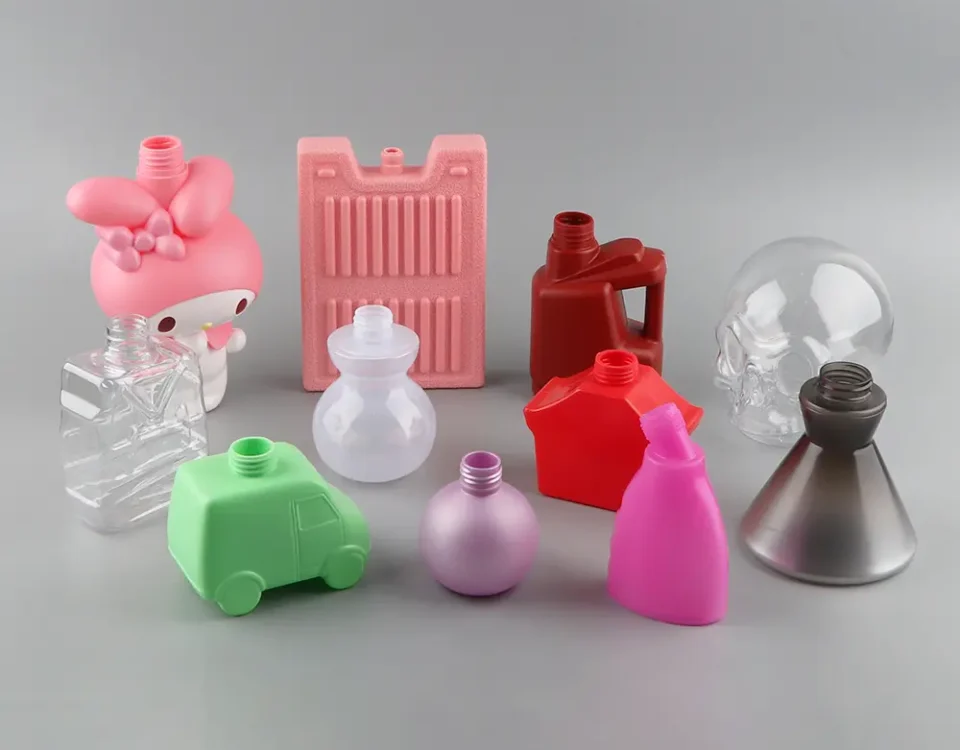
From small pellets to finished plastic bottles
2026-06-18
pantone color guide
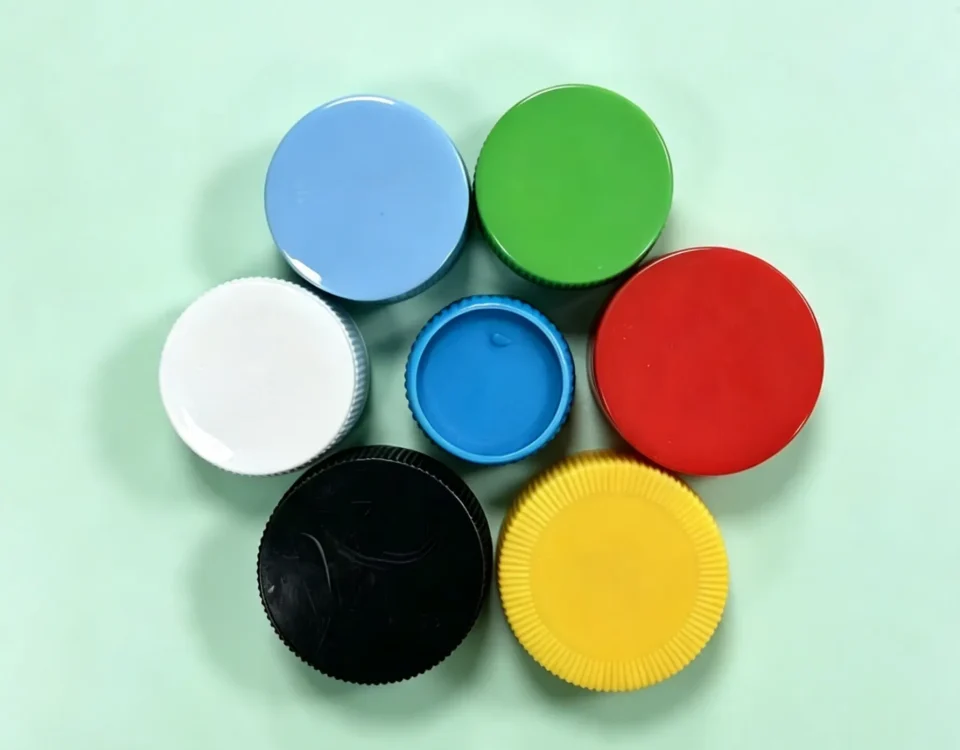
Pantone color guide
2026-07-18

Plastic Bottle Labeling vs. Screen Printing: Which is the Right Option?

When it comes to printing processes for plastic bottles, the two most common methods are labeling and screen printing. One of the questions clients ask most often is: “Labeling or screen printing – which saves me more money?” Both approaches have their strengths, but the right choice depends on your design complexity, budget, bottle shape, and more.

Understanding Screen Printing

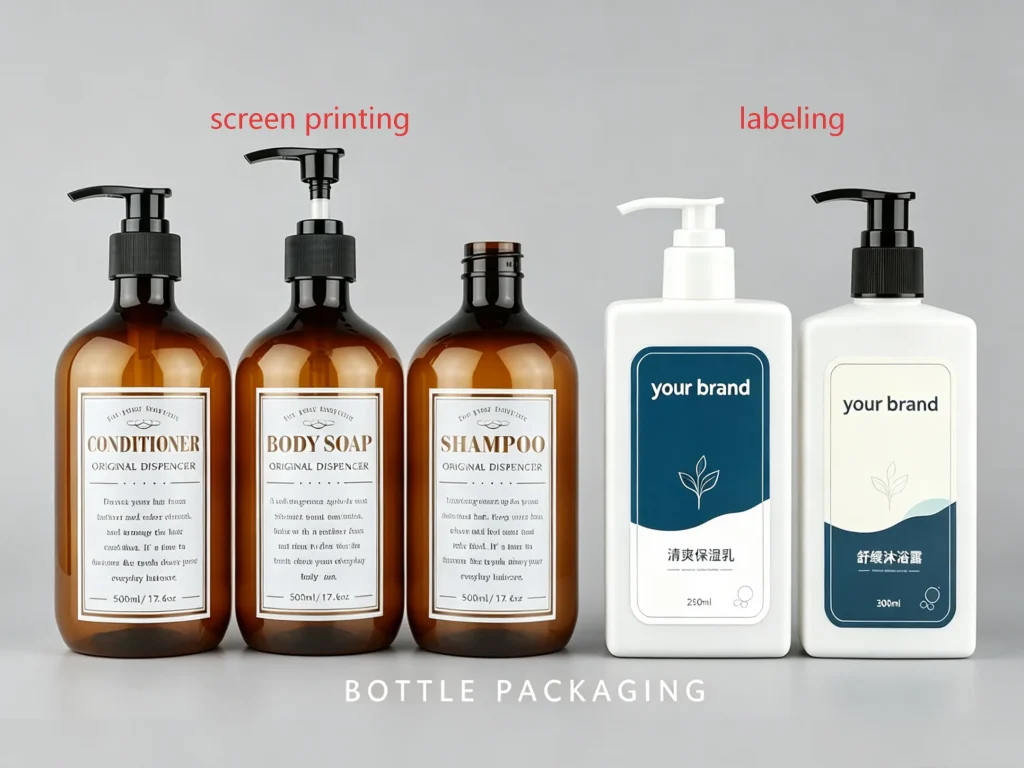
Screen printing remains a popular choice for many plastic bottle projects, especially when simplicity and cost-effectiveness are top priorities. The process involves squeezing ink through a stenciled mesh screen directly onto the bottle surface. Pricing is typically calculated by the number of colors – for example, a single color might cost around RMB 0.1 per piece, with additional colors adding to the cost.
 
The biggest advantage of screen printing is its suitability for simple designs. It works best with solid colors and limited graphics. Avoid large color blocks or intricate details, as ink coverage can easily become uneven. When your design uses only one or two colors, has clean lines, or is just a logo with no gradients, screen printing is often significantly cheaper than labeling. Setup fees and unit costs are lower, and the print is scratch‑ and fade‑resistant because the ink bonds directly with the plastic.
screen printing vs labeling

However, screen printing has limitations. As the number of colors increases, both cost and complexity rise. Each additional color requires a separate screen and printing pass, driving up expense and time. Gradients, photographs, or multi‑color illustrations are difficult and costly to achieve, often resulting in higher rejection rates. For designs with more than three or four colors, the cost‑effectiveness of screen printing quickly diminishes. If your brand needs vibrant full‑color artwork or delicate gradient effects, this method may not be the most economical long‑term choice.

Advantages and Challenges of Labeling

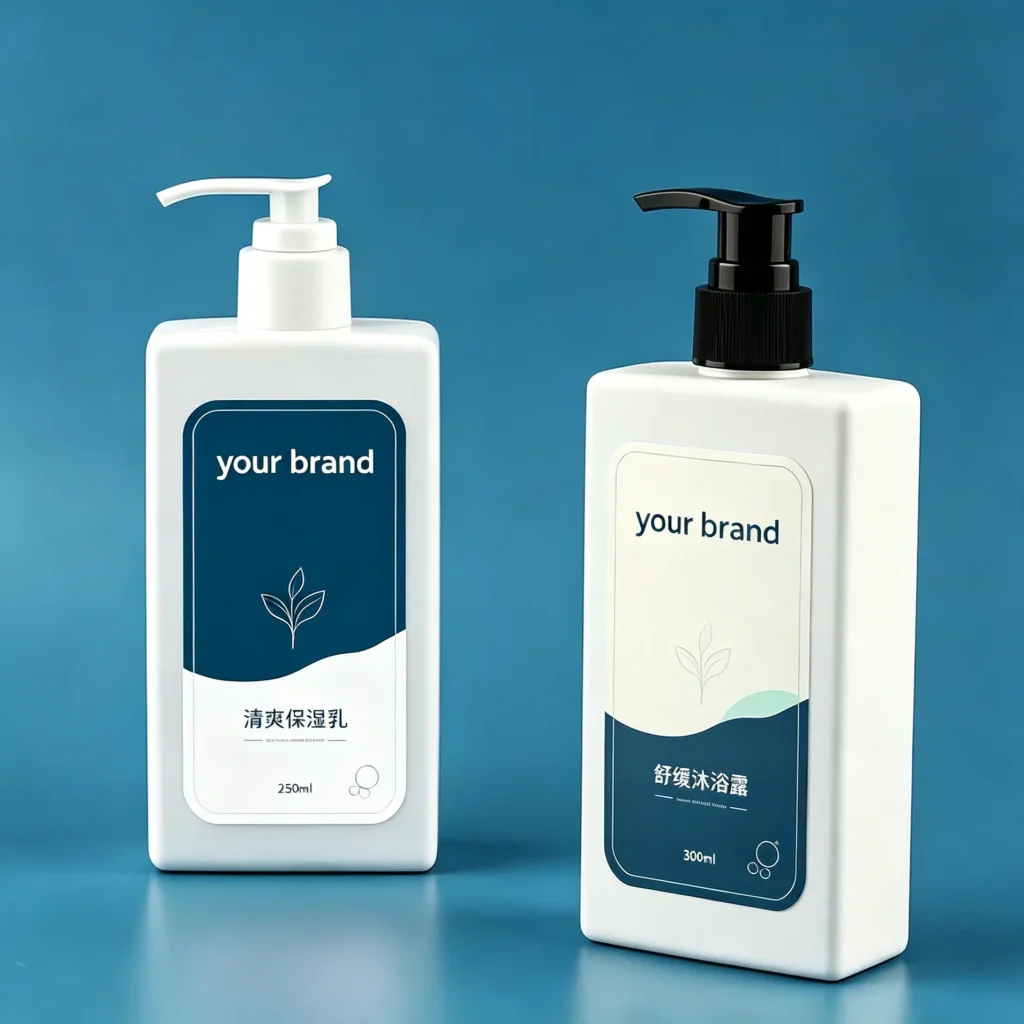
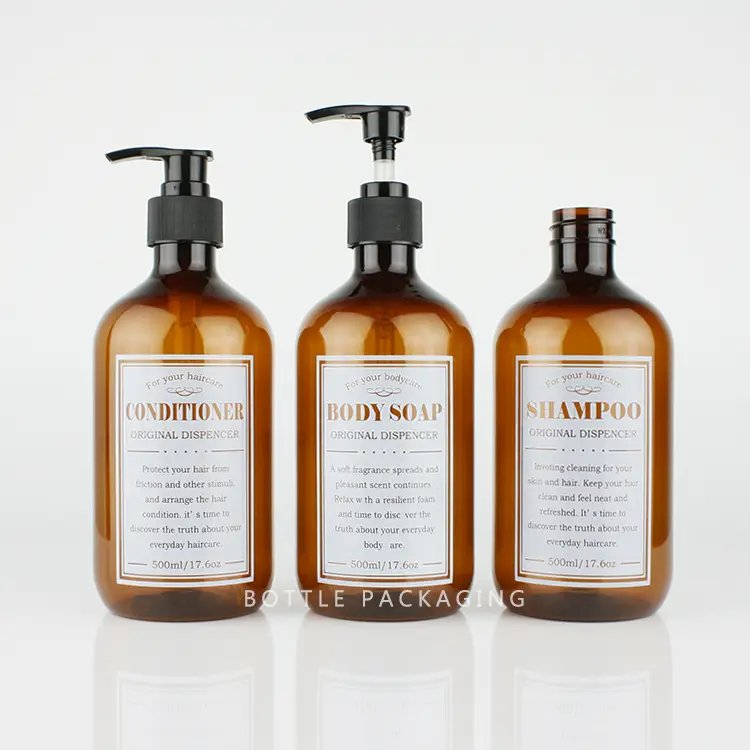
Self‑adhesive labeling offers far greater design flexibility for complex artwork, making it the preferred option when rich visual impact is required. Labels are pre‑printed (typically via digital, flexographic, or offset printing) and then applied to the bottle. While the unit application cost may be similar to single‑color screen printing (around RMB 0.1), the total cost also includes the label material itself, as well as post‑processing such as lamination or varnishing.

The greatest strength of labeling is that it imposes virtually no color limitations – it can achieve smooth gradients, photographs, and intricate details with ease. A wide variety of materials are available: synthetic paper, PE, PP, PET, PVC, or coated paper, among others. Adhesives can be selected based on surface characteristics – permanent, removable, or high‑tack. You can also add protective layers like film lamination or varnish to enhance durability and appearance. This flexibility makes labeling an ideal choice for premium products, promotional bottles, or any packaging where visual impact is critical.

screen printing vs. labeling

That said, labeling presents its own challenges. A common issue we encounter is edge lifting or peeling after application. The bottle may look perfect right after labeling, but overnight the label edges start to lift. This is usually caused by mismatched label materials, incompatible adhesive with the plastic substrate, or improper tension during application. The “sandwich” structure of the label (face stock, adhesive, liner) creates internal stresses that can fight against the curvature of the bottle. Choosing the right material combination – considering bottle shape, content, and storage conditions – typically resolves these problems.

Another significant challenge, especially on high‑speed production lines, is that labelers are often described as the most difficult equipment to adjust in a filling room. Common problems include bubbles, wrinkling, misalignment (particularly on flat bottles, where labels wander left and right randomly), and inconsistencies between different label rolls. One roll may run perfectly, while the next jams or the liner breaks. Flat bottles pose more problems than round ones. Proper machine setup, consistent label quality, and skilled operators are key to reducing downtime and waste.

Conclusion

So, how do you decide between screen printing and labeling? Our practical rule is: when your design is simple, uses few colors, and has clean graphics – choose screen printing for the lowest unit cost and excellent durability. When you need rich colors, gradients, complex images, or frequent design changes – choose labeling, as its flexibility often outweighs the slightly higher material cost.

In our facility, we handle both processes and offer honest, unbiased advice. If you are unsure which method suits your project, just share your bottle specifications, design files, and target budget. We will analyze the options and recommend the most cost‑effective and reliable custom solution – helping you avoid common mistakes that cost significant time and money.

Whatever your product, the right decoration process can elevate your packaging quality. Contact our team today for samples or a quote. We are ready to help you package your products better and more efficiently.

发表回复

您的邮箱地址不会被公开。 必填项已用 * 标注