pantone color guide
Pantone color guide
2026-07-18
plastic bottle sourcing guide
plastic bottle sourcing guide: avoid these 3 traps
2026-08-01
When choosing plastic bottles, many brands find themselves stuck on one key question: What material should the bottle be made of? 
The label says PE material, but PE isn’t just one thing—there’s LDPE, HDPE, and LLDPE. Each has a different price, a different feel, and a different level of durability.
Pick the wrong material, and you might end up with bottles that are too soft and prone to leakage, too stiff for easy squeezing, or even prone to cracking shortly after filling.
Today, we’re breaking down exactly how these three materials perform once they’re blown into bottles—so you can get it right the first time.

LDPE Bottles: Soft, Clear, and Made for Squeezing

Low-density polyethylene (LDPE) has the lowest density (0.910–0.940 g/cm³). Its molecular chains are heavily branched, and its crystallinity sits at only about 50–55%, which gives it natural softness, transparency, and excellent elongation.
As a plastic bottle:
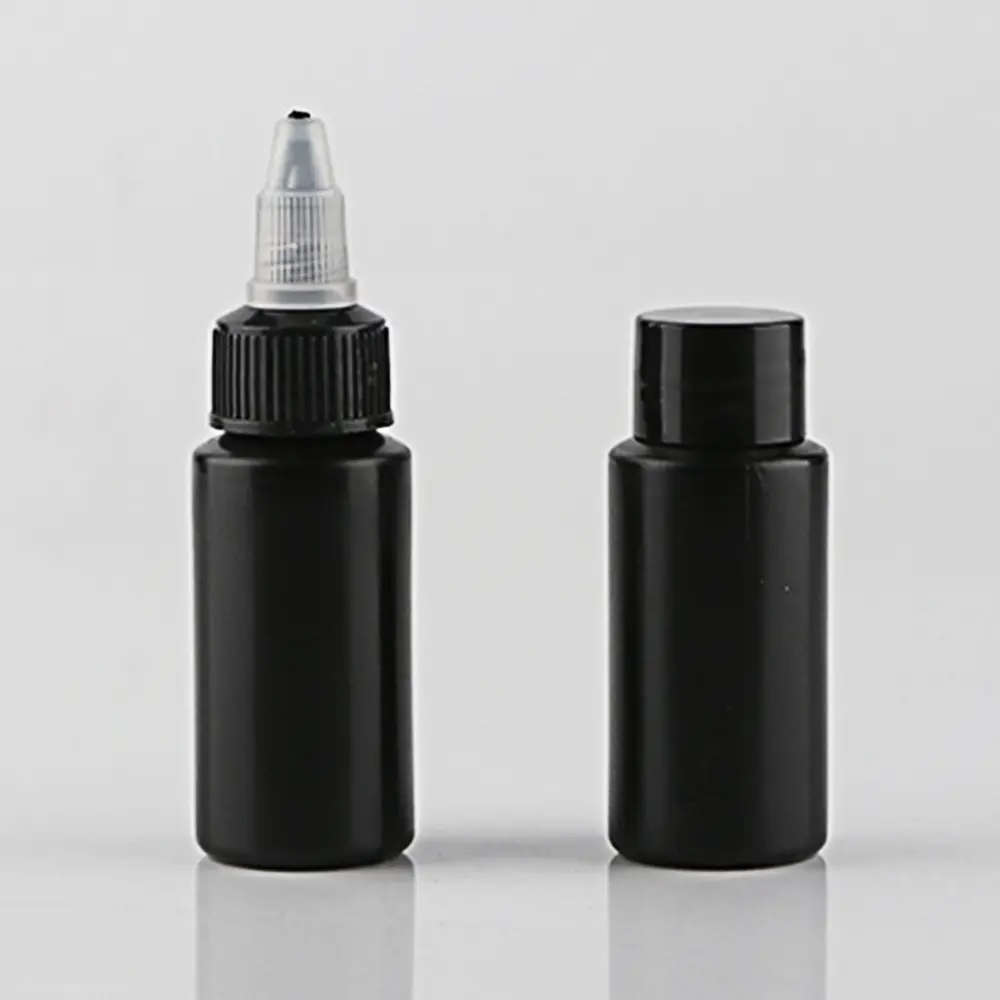
  • Feel: Very soft—a light squeeze deforms it easily. Ideal for products that need to be dispensed by squeezing.
  • Clarity: Relatively high, approaching transparent. Great for showcasing the color of the contents.
  • Heat resistance: The weakest of the three, with a maximum service temperature of 80–90°C. However, it excels in low-temperature performance, remaining flexible even at -70°C.
  • Strength: On the lower side. Compression resistance and drop resistance aren’t as good as HDPE or LLDPE, so it’s not suitable for large-capacity bottles or stacked shipping.
  • Chemical resistance: Good stability, resistant to most acids and alkalis.
PE material-LDPE
LDPE plastic bottle
Best for daily chemicals: Squeeze dropper bottles (serums, eye care), small travel-size shampoo/body wash, and clear gels or makeup removers where transparency matters.
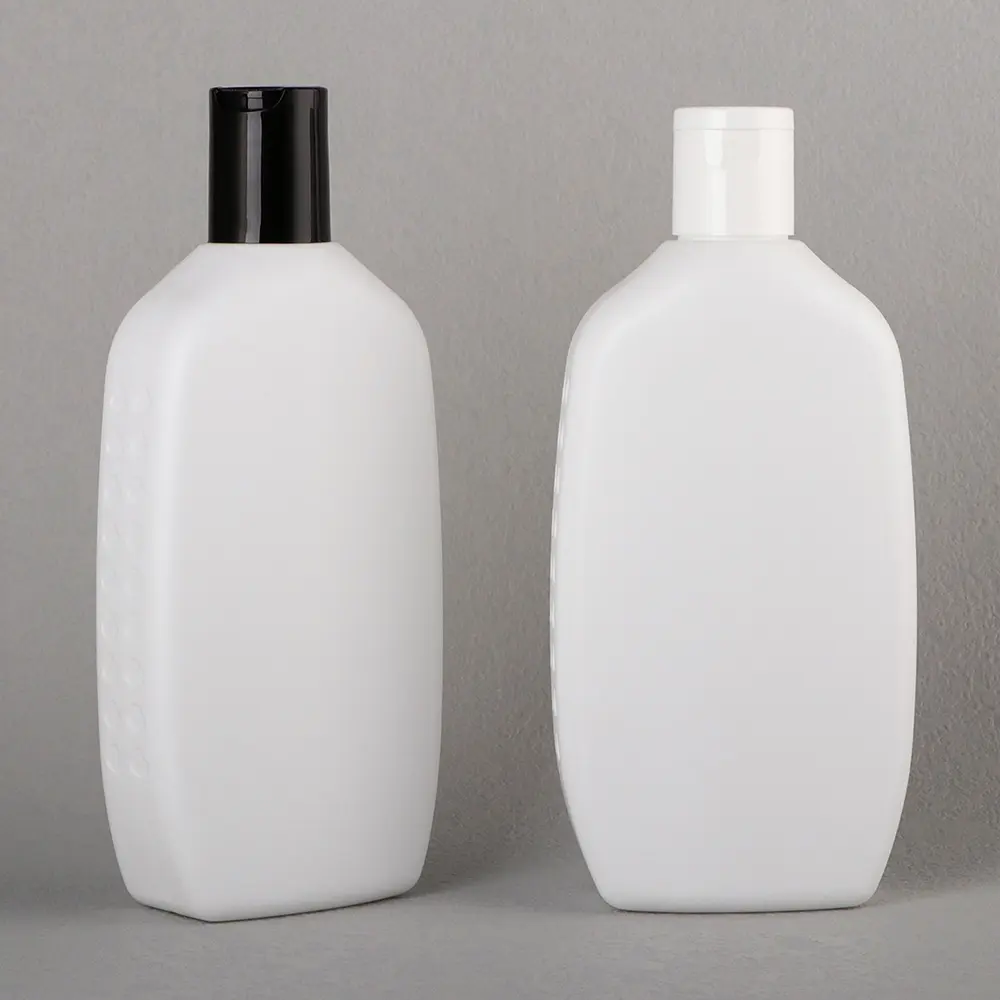
HDPE Bottles: Rigid, Sturdy, and Highly Chemical-Resistant

High-density polyethylene (HDPE) has the highest density (0.940–0.976 g/cm³). Its molecular chains are nearly linear and highly ordered, with crystallinity reaching 85–95%. That’s why it’s hard, rigid, and heat-resistant.

 
As a plastic bottle:
  • Feel: Very firm—hardly deforms under pressure. Gives a premium, durable impression.
  • Clarity: Milky white, slightly translucent on thin walls—essentially opaque.
  • Heat resistance: Softening point at 125–135°C, with a maximum service temperature up to 100°C. Suitable for hot-fill applications.
  • Strength: Excellent hardness, tensile strength, and creep resistance. Large-capacity bottles won’t collapse even when stacked.
  • Chemical resistance: Outstanding. Resists acids, alkalis, salts, and even strong oxidizing agents. Nearly insoluble in most organic solvents, and remains stable even with prolonged contact with daily chemical formulations.
PE material-HDPE
HDPE plastic bottle
Best for daily chemicals: Shampoo, body wash, laundry detergent, dish soap, disinfectants, cleaning agents, lotions, cream jars—basically the go-to choice for the vast majority of rigid daily chemical bottles.

LLDPE: Tough, Drop-Resistant, and Crack-Resistant

Linear low-density polyethylene (LLDPE) has a density of 0.915–0.940 g/cm³. Its main molecular chain is linear, with short branches but no long branches.

As a result, its performance sits between HDPE and LDPE, combining the advantages of both—flexibility and strength, with exceptional tear resistance, puncture resistance, and environmental stress cracking resistance (ESCR).

That said, LLDPE is rarely used on its own for blow-molded bottles. Its primary application is in films—especially stretch wrap, heavy-duty packaging films, and other high-strength film applications where it truly excels.

Many brands choose to blend LDPE with HDPE for bottle blowing, adjusting the ratio to fine-tune the bottle’s feel—achieving just the right balance of rigidity and squeezable rebound.

How We Make the Perfect Bottle for You

We specialize in daily chemical plastic bottles. The vast majority of our products use HDPE as the primary body material—because it’s the most stable, the most chemically resistant, and the best match for mainstream daily chemical formulations.

Plus, the finished bottle has a firm, high-quality feel that matches what consumers expect from a “good bottle.”

But we also understand that not every product needs a rigid bottle. If your product requires a softer squeeze, we can use LDPE or an LDPE/HDPE blend to adjust the hardness to your liking.

From shampoo and body wash to laundry detergent and chemical products, we help you choose the most suitable bottle material based on your product’s specific characteristics

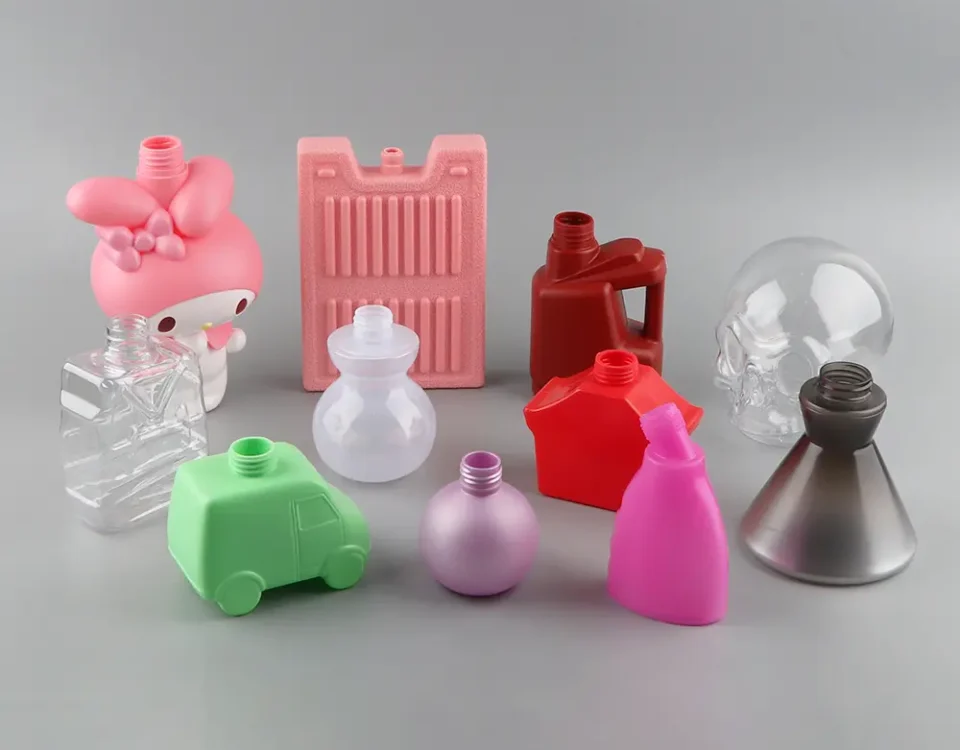
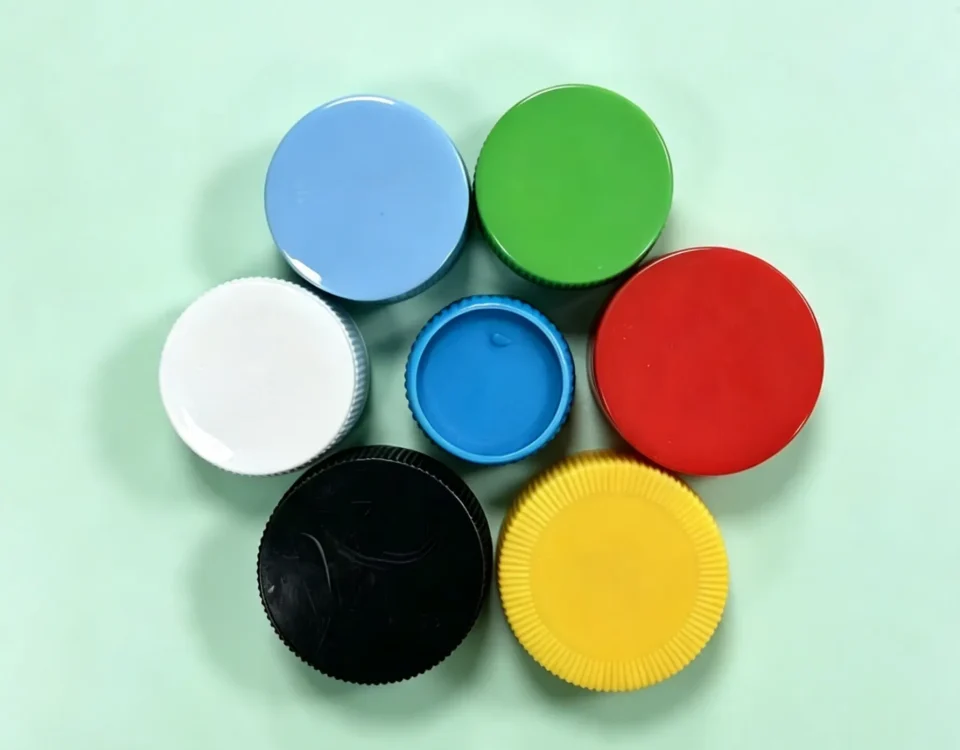
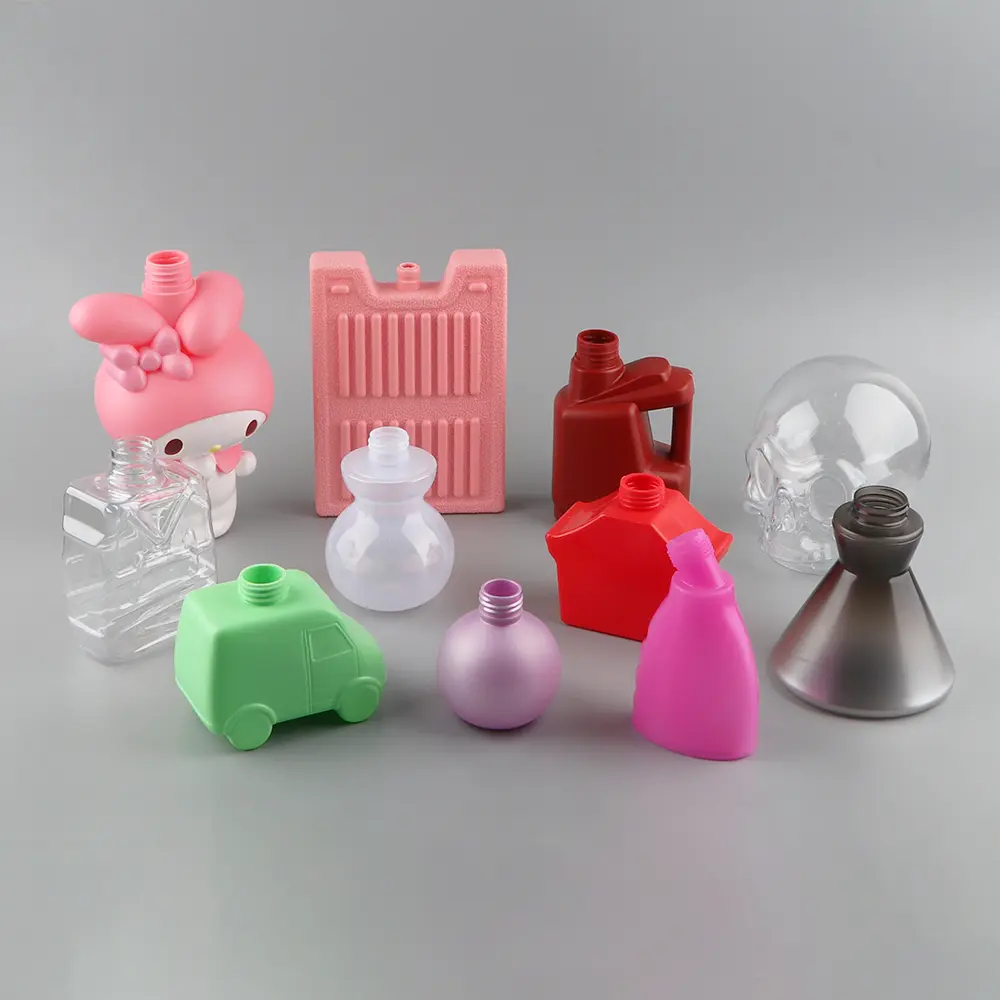
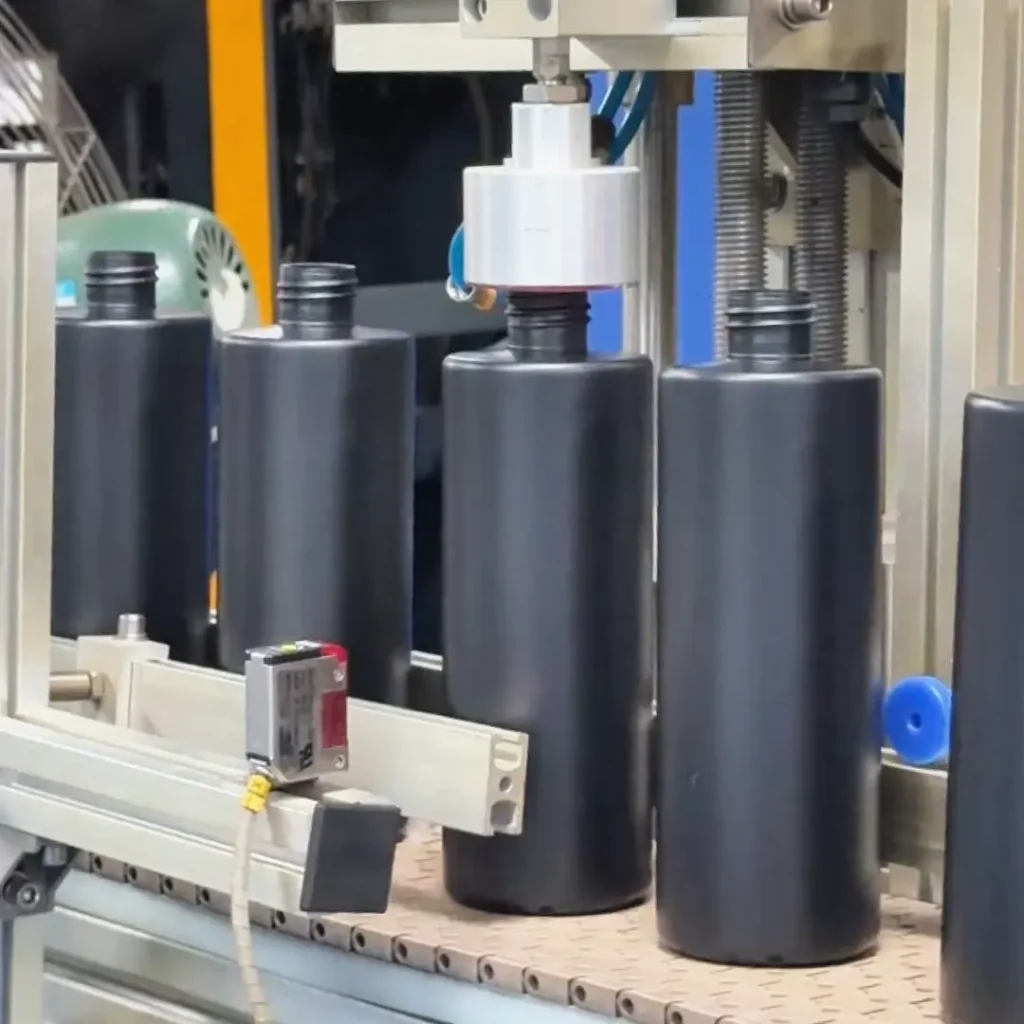
And we offer full-service support from mold development to custom color matching.

PE material

Let's Tailor the Perfect Solution

Tell us your packaging needs, and we’ll deliver a bottle that won’t leak, won’t soften, and won’t crack. We’re always here to talk—let us tailor the perfect solution for you.

发表回复

您的邮箱地址不会被公开。 必填项已用 * 标注