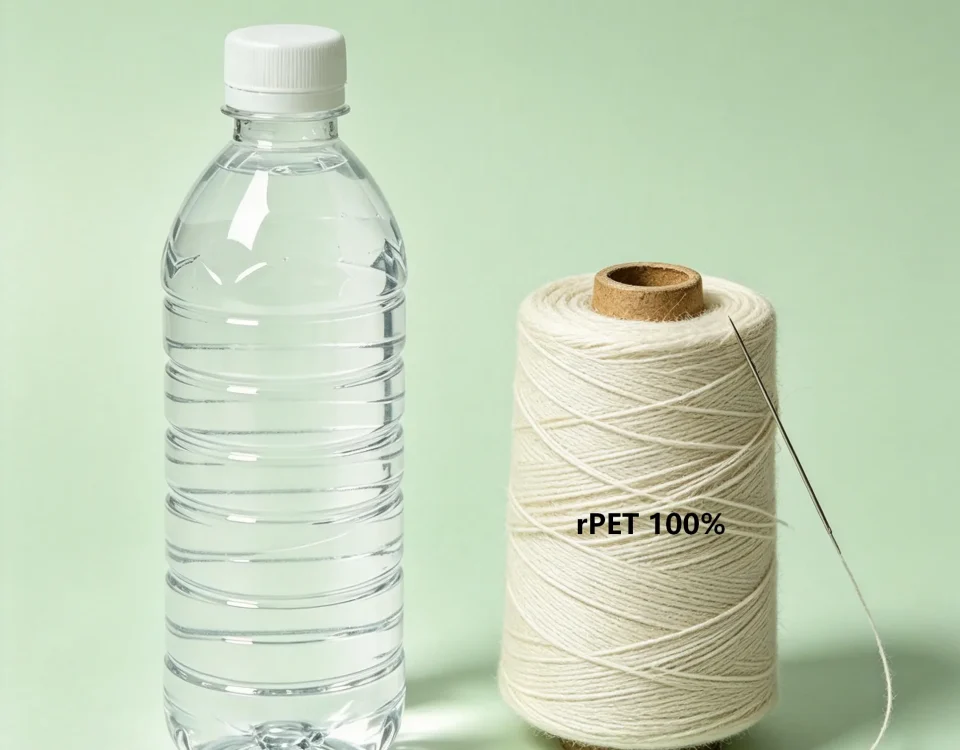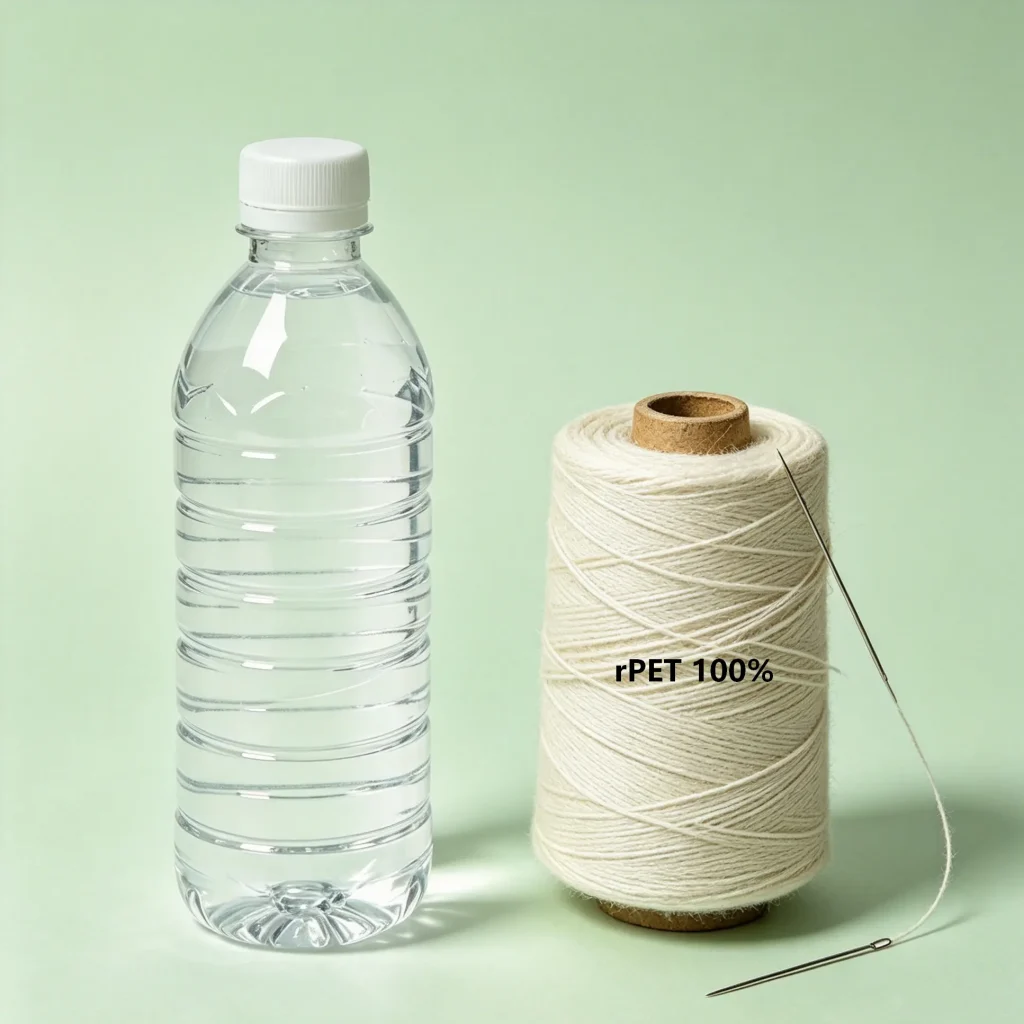
PET recycling
The complete PET recycling pathway
2026-08-05
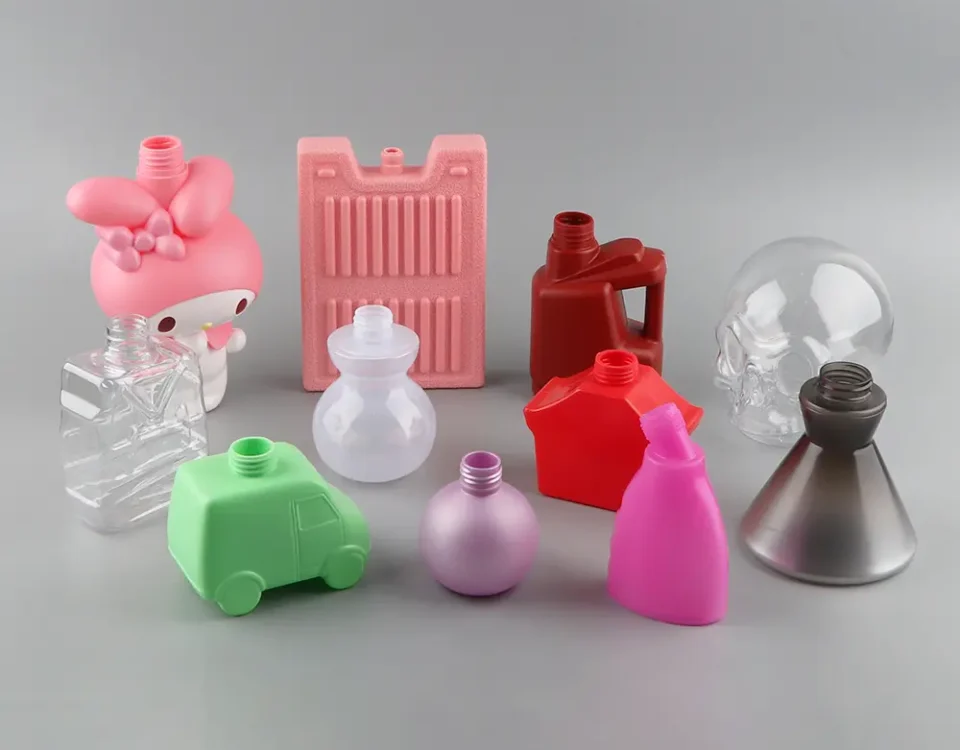
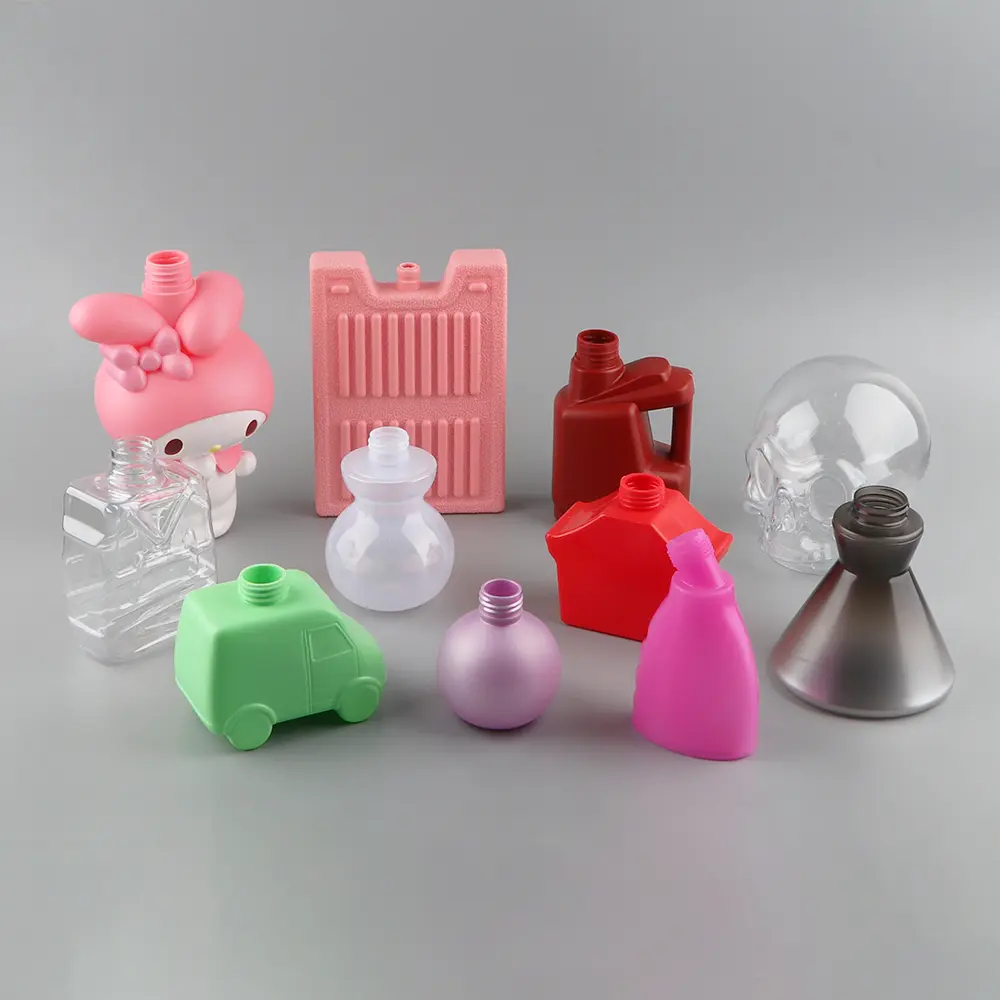
blow-molded parts
Complex blow-molded parts
2026-09-05

Why Are Bottle Caps Not Made of PET?

Most beverage bottles on the market are made of PET—but the bottle caps are not. As someone in the plastic bottle manufacturing industry, I’m often asked by clients: “If the bottle body is PET, why not use PET for the bottle caps too?”

PET is transparent, strong, and can match the bottle in color, creating a seamless look that would even eliminate the need for sorting during recycling—it sounds perfect.

In reality, however, bottle caps worldwide are almost exclusively made of PP and HDPE. There are three key reasons.

Reason 1: Insufficient Sealing Performance

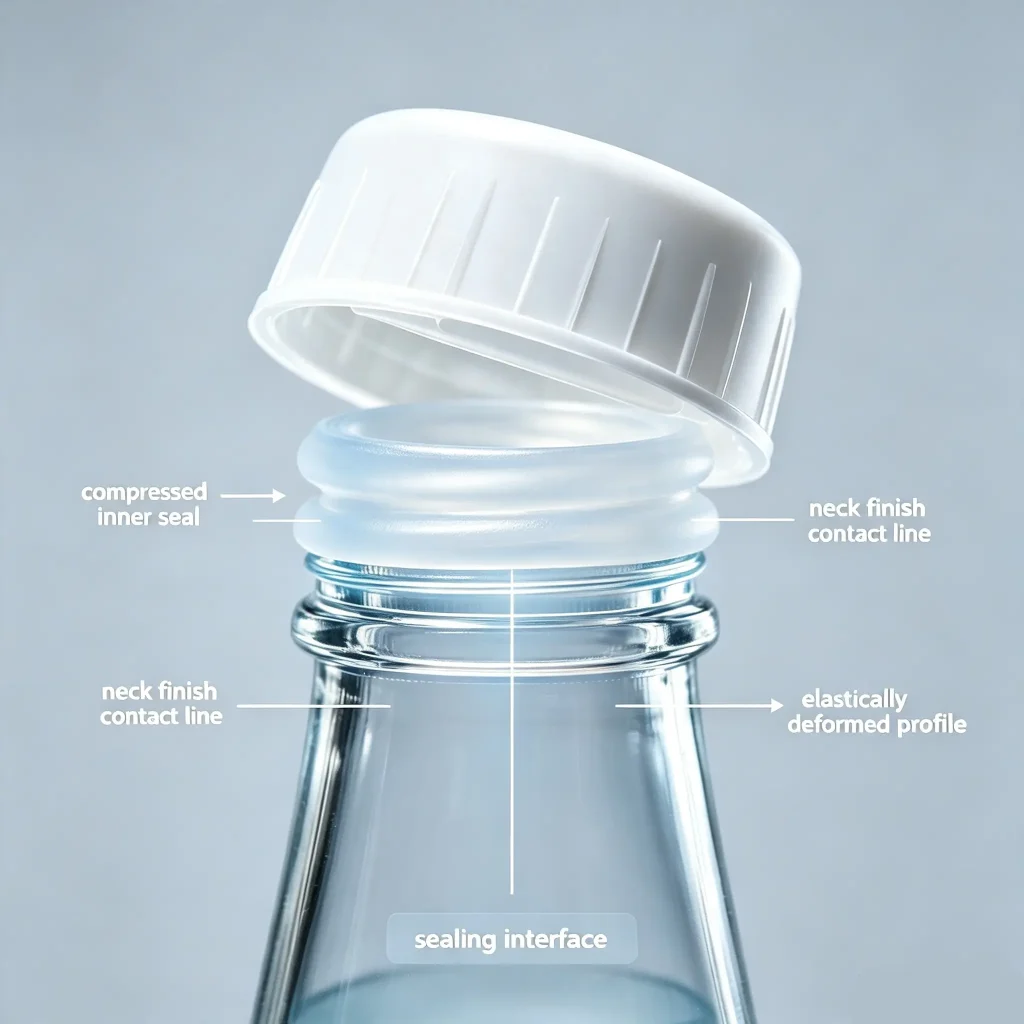
A bottle cap does not seal by simply “covering” the opening—it seals through elastic deformation.

At the moment of tightening, the inner plug or sealing ring of the cap is compressed by the bottle neck, deforming like a rubber band under tension, filling every thread gap. This deformation is the very foundation of sealing.

PET’s problem lies here: it is too rigid. The flexural modulus of PET is about 2.45 GPa, while PP is about 1.5 GPa—a difference of nearly 1 GPa. This means that under the same tightening torque, a PET cap deforms far less, so the sealing surfaces do not make full contact, allowing gas to escape through the threads.
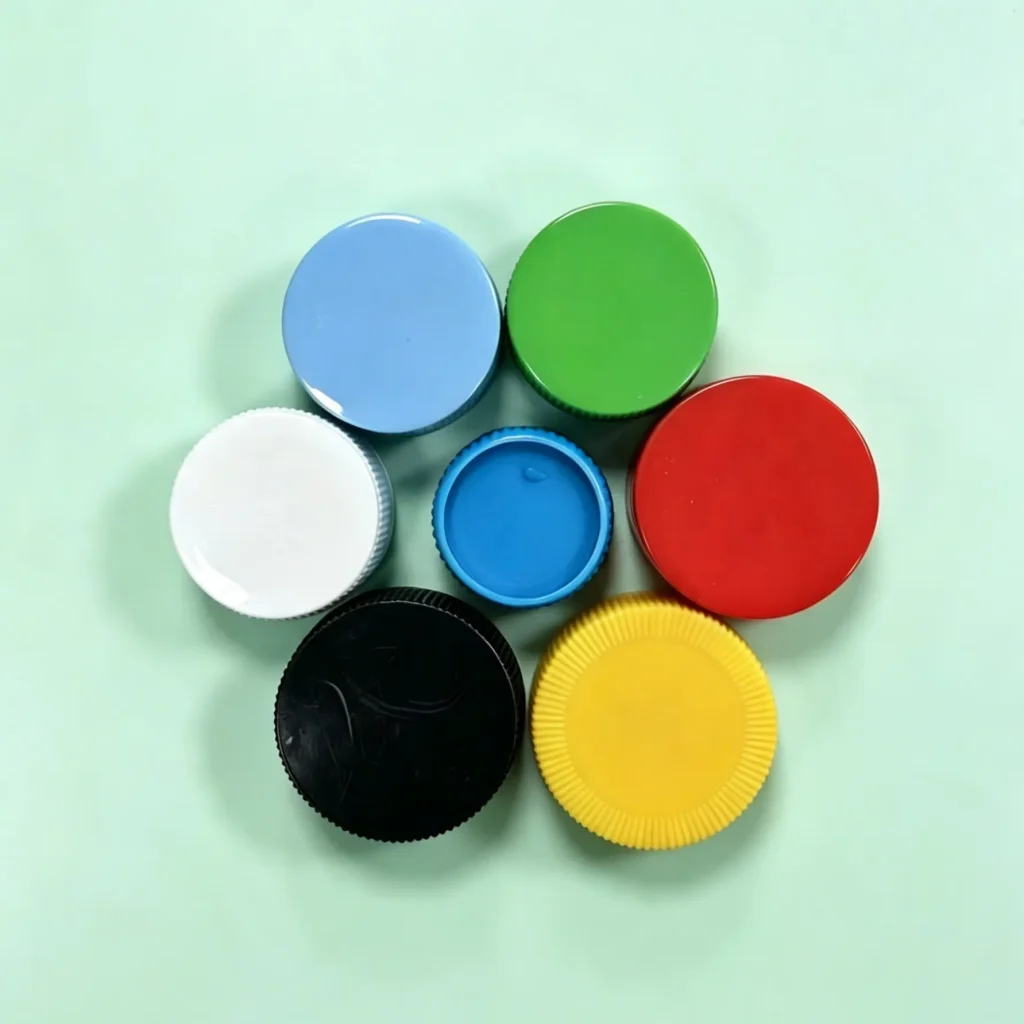
bottle caps

💡 Key Takeaway: The bottle body needs to be rigid and strong, while the cap needs to be soft and deformable. The requirements for the upper and lower parts of the same bottle are inherently contradictory.

Reason 2: Poor Resistance to Creep Under Internal Pressure

Rigidity is only the first hurdle; the real test is time. PET holds up well under instantaneous force, but a carbonated beverage cap is not subjected to a single impact—it must endure pressure for months.

From the moment of filling, the internal pressure of a carbonated drink pushes against the cap, lasting for months without release. Chinese standards impose strict requirements for carbonated caps: they must hold pressure at 690 kPa without leaking and withstand up to 1207 kPa without dislodging. The cap is not just a lid—it is the closure of a pressure vessel. It must resist creep, maintaining its seal and shape under long-term stress without loosening or deforming.

PET is inherently weak in this regard. Carbonated caps demand long-term gas retention, which is precisely where PET falls short.

Reason 3: Processing and Economic Viability

Even if performance could be forced to meet the requirements, the cost would be prohibitive. For equivalent performance, a PET cap weighs about 20% more than an HDPE cap. Since caps are sold by the piece, that extra 20% is pure added cost. Moreover, PET requires higher processing temperatures and longer cycle times, making it less efficient than HDPE.

According to SACMI data, PET processing starts at around 270°C, while HDPE is below 200°C. The difference in melting and cooling alone significantly slows production—cycle times are about 70% longer. Compression molding machines for HDPE caps can run at 1.35 seconds per cycle, producing 2,850 caps per minute. With PET, that speed is out of the question.

Simply put: the excellent properties that make PET ideal for bottle bodies are exactly what caps do not need.

So What Are Bottle Caps Made Of?

Currently, carbonated beverages, hot-fill drinks, juices, dairy products, functional beverages, and even plain water all use HDPE caps. PP accounts for only a small share, and it cannot be used alone—it requires a thermoplastic elastomer gasket (the so-called liner), resulting in a two-piece cap.

In terms of material availability, processing, quality control, and performance, HDPE offers too many advantages. As the industry evolves, improvements in storage and logistics have further reinforced the widespread suitability of HDPE caps.

As a plastic bottle manufacturer, our job is to help our clients use the right material for each application—PET for the body, PP or HDPE for the cap, each doing what it does best. If you have any needs related to plastic bottles and caps, feel free to contact us anytime.

发表回复

您的邮箱地址不会被公开。 必填项已用 * 标注